

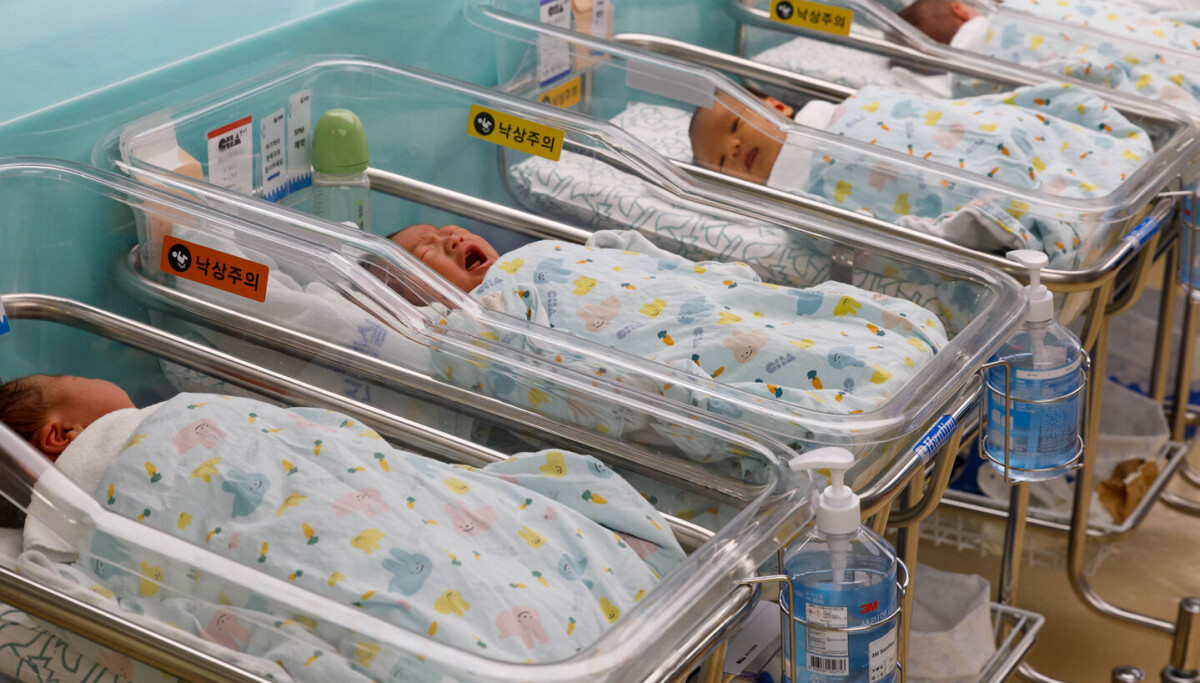
Korea’s total fertility rate — the average number of children a woman is expected to have in her lifetime — rose to 0.93 in March, up 0.15 on year. The rate has now stayed above 0.9 for three consecutive months, following readings of 0.99 in January and 0.93 in February. For the first quarter as a whole, the fertility rate stood at 0.95, up 0.12 compared to a year earlier.
The increase in births was driven largely by women in their 30s. In the first quarter, the number of births per 1,000 women aged 30 to 34 rose by 11.3 to 88.5, and the rate for women aged 35 to 39 climbed 9 to 62.4. By contrast, women aged 25 to 29 and those 40 and older showed much smaller gains of 1.7 and 0.5, respectively.
Why?
"Analysts attribute the trend partly to demographics. The so-called echo boom generation — the children of Korea’s second baby boom, born between 1991 and 1995 — is now entering what experts consider peak marrying age, providing a natural boost to both marriage and birth figures.
“Policy efforts by central and local governments to eliminate marriage-related penalties appear to be influencing young people’s attitudes toward marriage,” a ministry official said."
“Peak marrying age” do these scientists post to 4chan?
One is statistics, the other is incel.