

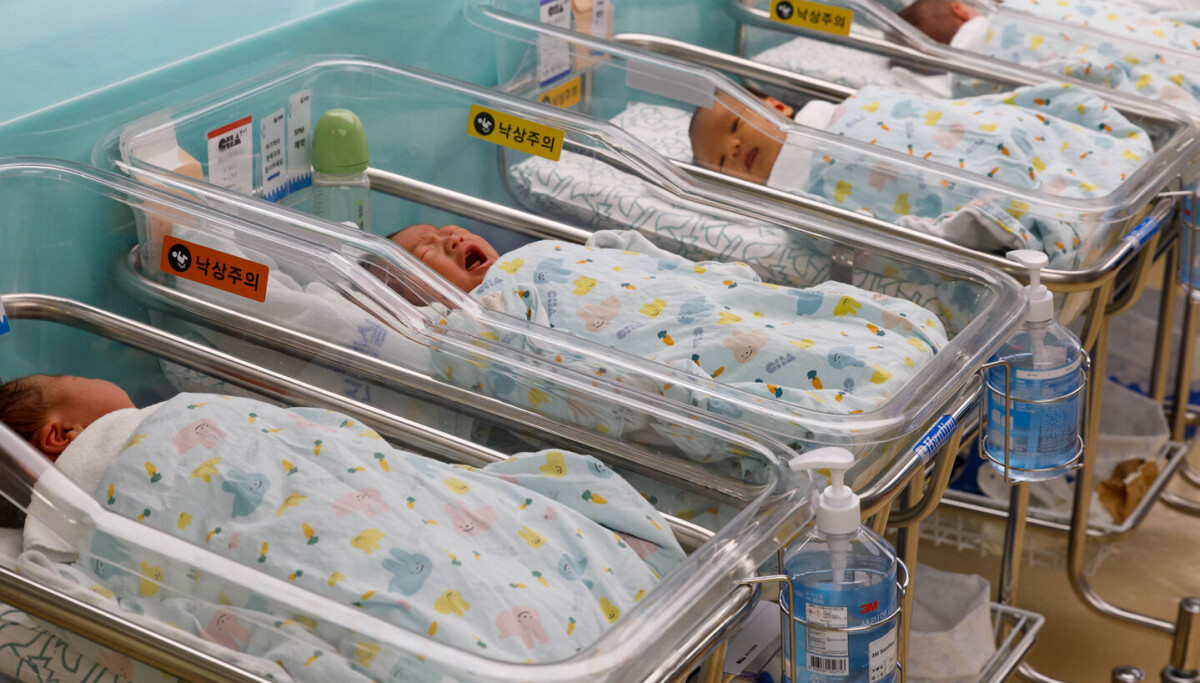
Korea’s total fertility rate — the average number of children a woman is expected to have in her lifetime — rose to 0.93 in March, up 0.15 on year. The rate has now stayed above 0.9 for three consecutive months, following readings of 0.99 in January and 0.93 in February. For the first quarter as a whole, the fertility rate stood at 0.95, up 0.12 compared to a year earlier.
The increase in births was driven largely by women in their 30s. In the first quarter, the number of births per 1,000 women aged 30 to 34 rose by 11.3 to 88.5, and the rate for women aged 35 to 39 climbed 9 to 62.4. By contrast, women aged 25 to 29 and those 40 and older showed much smaller gains of 1.7 and 0.5, respectively.
South Korea still cannot recover. The fertility rates across the globe are low, population will decline in the vast majority of countries within the century.